
South Shore · Tub-To-Shower
Tub-To-Shower Conversions On The South Shore
Turn a dated tub alcove into a roomier, easier shower without moving walls. Learn the steps, then get connected with an independent remodeler who serves your South Shore town.
- Common requests:
- Independent local bathroom remodelers
- You pay the pro you hire, never us
- How to check a Massachusetts license
Overview
Swapping A Tub For A Shower
Many South Shore bathrooms have a standard tub alcove: three walls, a tub, and a showerhead above it. A conversion keeps that footprint but takes out the tub, so you get a full-length shower in the same space without relocating the toilet or vanity.
Because the walls stay put, a conversion is usually simpler than a full remodel. The work still involves demolition, a new drain position, a shower pan, waterproofing and new wall surfaces, and older homes can hide rot, outdated pipes or painted surfaces that need careful handling.
This page explains what to plan for and what to ask. When you're ready, call or send a request and you'll be connected with an independent local remodeler; the decision to hire is always yours.
Signs It's Time To Convert Your Tub
Climbing In Has Become A Chore
A tub wall is the tallest step most people take at home. Replacing it with a low curb makes daily showers simpler for everyone in the house.
Nobody Takes Baths Anymore
If the household showers standing in the tub, the tub is mostly in the way. A shower pan gives more usable standing room in the same alcove.
The Tub Is Chipped Or Worn
A tub that's been refinished more than once, or a surround with permanent stains, often signals it's time for a change. A conversion updates the look and the function at once.
The Surround Is Failing
Loose tile, soft drywall, or caulk that never stays sealed suggests water has been getting behind the walls. Opening them up lets a remodeler repair what's back there.
You Have Another Tub In The House
Converting one bathroom works well when a second bath keeps a tub for children, guests or future buyers.
Right now
Planning Your Conversion
These steps help you describe the job clearly and compare remodelers on equal terms.
Note Any Soft Spots Or Stains
Press around the base of the tub and check the ceiling below for stains. Hidden damage changes the scope, so point it out on the first visit.
Measure The Alcove
Record the alcove's length, depth and height, plus the window position if there's a window in the shower wall. A window inside a shower needs special detailing to keep water out.
Decide On Curb, Glass And Storage
Note whether you want a low curb, a sliding door or a fixed panel, a niche for bottles, and a handheld sprayer. These choices shape the price more than people expect.
Find Out When Your House Was Built
If your home dates from before 1978, Massachusetts requires a lead-safe renovation contractor when paid work disturbs more than six square feet of painted surface in a room. Ask whether each remodeler holds that credential.
Check Registration And Permits
Look up each remodeler's Home Improvement Contractor registration online, and ask your building department which permits apply to a tub removal.
What to expect
What Happens During A Conversion
A remodeler typically starts by looking at the tub drain location and the floor framing, because a shower drain may need to sit in a different spot than the tub's. They'll also ask about the valve: many conversions replace it with a pressure-balancing or thermostatic valve and add a handheld sprayer.
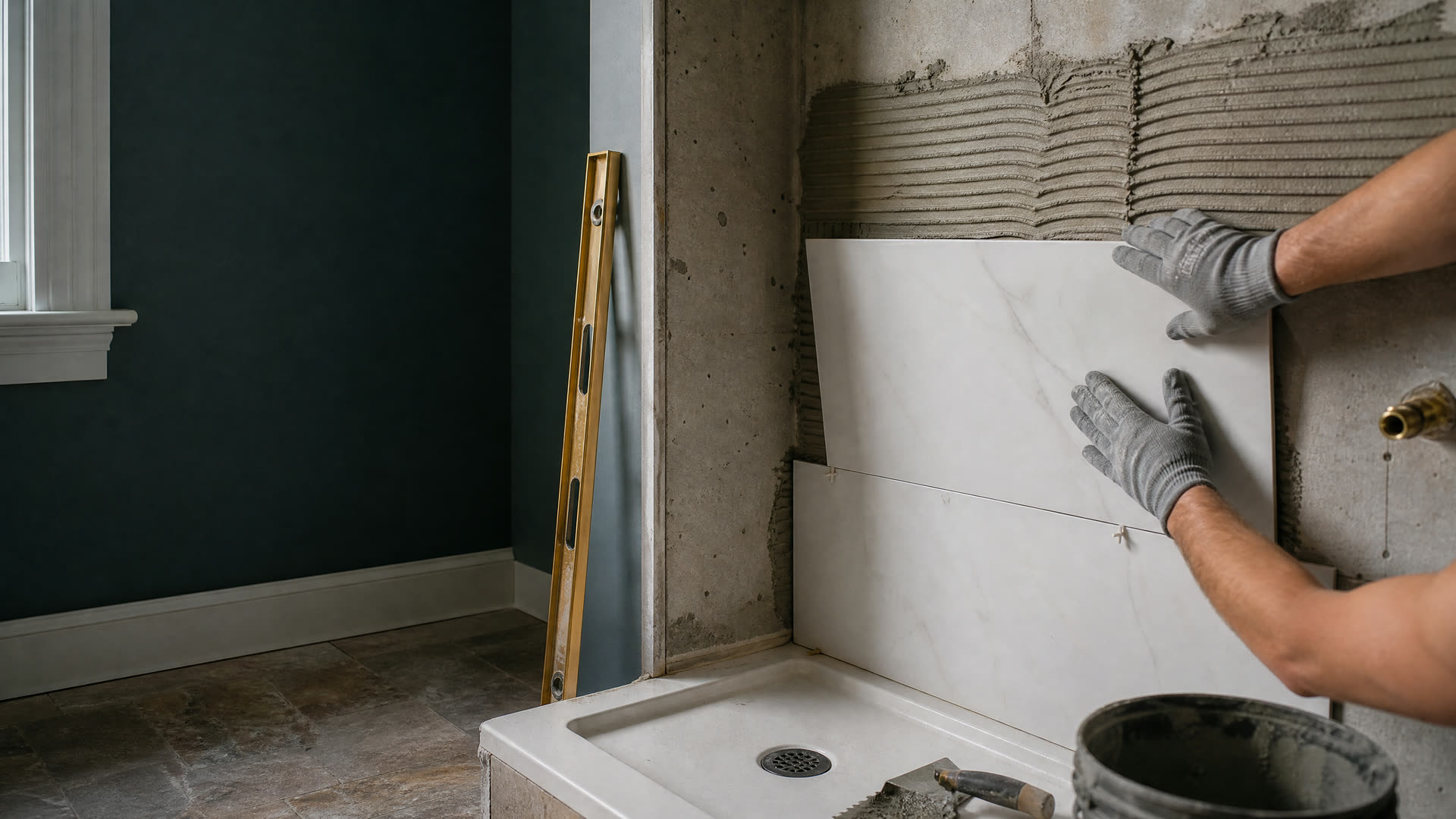
Expect the job to run in stages: demolition and disposal, plumbing rough-in and inspection, shower pan and waterproofing, wall finish, then glass. Cast iron tubs are heavy, and getting one out of a second-floor bathroom is a real part of the labor.
A thorough proposal also explains what happens if demolition uncovers rot or old galvanized pipe. Ask how those changes are priced and approved in writing before the work continues.
Hire smart
How To Choose A Remodeler For Your Conversion
In Massachusetts, contractors who remodel an existing owner-occupied home of one to four units must be registered Home Improvement Contractors, and the plumbing and electrical parts of the job must be done by a plumber and an electrician who hold Massachusetts licenses, under permits.
Confirm The Registration
Search the state contractor lookup for a current Home Improvement Contractor registration and any complaint history. The HIC program also offers arbitration to homeowners who hired registered contractors.
Ask About Plumbing And Electrical Permits
The plumber who moves the drain and replaces the valve needs a plumbing permit, and any new fan or light needs a wiring permit. Make sure those trades are named in the estimate.
Compare Written Estimates
Ask two or three remodelers to price the same alcove, curb, valve and wall finish. An estimate that lists each step is easier to compare than a single total.
Ask How They Handle Surprises
Find out how the remodeler documents hidden damage and how change orders get approved. Written change orders keep the final bill from drifting.
Costs
What Affects The Cost Of A Tub-To-Shower Conversion
Wall finish is a major factor: a prefabricated acrylic or solid-surface kit goes in faster than tile, while custom tile adds labor and choice. A fixed glass panel, a sliding door and a simple curtain rod each change the total in different ways.
Hidden conditions matter too. Moving the drain, replacing an old valve, repairing a rotted subfloor, or following lead-safe practices in a pre-1978 home all add time. Ask each remodeler what's included, what's an allowance, and what would trigger a change order.
Across the region
Tub-To-Shower Conversions Across The South Shore
A large share of local homes predate modern bathroom materials. Census estimates show 37.3% of Quincy's housing units and about a third of Brockton's were built in 1939 or earlier, so conversions there often uncover plaster walls, cast iron drains and layers of old paint. A 2026 regional housing assessment also lists Brockton as a high-risk community for childhood lead exposure, which makes lead-safe work practices especially important when a tub surround comes out.
Sources:
Learning Center
Read Before You Hire

How To Hire A Bathroom Remodeler In Massachusetts
Massachusetts gives homeowners real protections on remodeling jobs, but only if the contractor is registered and the contract follows the law. Here is what to check before you hand over a deposit.
Read the guide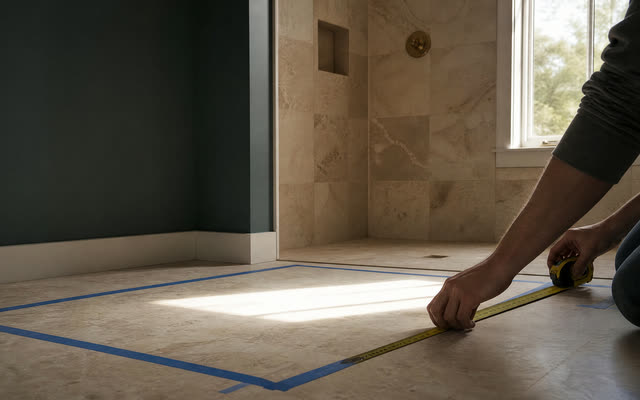
Bathroom Remodel Planning: Things To Consider First
The decisions you make before demolition shape the cost, the schedule, and how the room works for the next twenty years. Here's what to settle first.
Read the guideQuestions
Tub-To-Shower Conversions Questions
Still not sure? Send a short request and a local pro can answer the specifics.
Will removing my only tub hurt resale on the South Shore?
It depends on the house and the buyers it tends to attract. Many homeowners keep at least one tub when the home has bedrooms that families with young children might use. A local real estate agent can give you a read on your neighborhood.
Can a conversion fit the same space as my tub?
Yes, most conversions use the existing alcove. A standard tub alcove usually becomes a shower of the same length, and the remodeler adjusts the drain and curb to suit.
Do Quincy and Weymouth require permits for a tub-to-shower conversion?
Plumbing changes generally need a plumbing permit in Massachusetts communities, and broader work can need a building permit. Quincy's Inspectional Services Department and Weymouth's Department of Municipal Licenses and Inspections can confirm what your job needs.
How long will my bathroom be out of service?
That depends on the wall system, inspection scheduling, and whether the glass is custom. Ask each remodeler for a written schedule, and plan for a second bathroom or another place to shower during the job.
What if my home was built before 1978?
Assume older painted surfaces may contain lead. Paid renovation work that disturbs more than a small area of interior paint must be done by a lead-safe renovation contractor in Massachusetts, so ask about that credential before you sign.
Is there a charge to be connected with a remodeler?
No. You don't pay South Shore Bathroom Remodeling Finder anything. If you hire a remodeler, you pay them directly under the terms you agree to.
Get connected
Tell Us What’s Going On
Share a few details and an independent local bathroom remodeler who serves your town can follow up about the job. There’s no charge to use this site, and you decide whether to hire anyone.
Prefer to talk? Calling is the fastest way to reach a local bathroom remodeler.
Call Now